
Why People Love Their Outdoor Kitchen in La Jolla—The Secrets
April 14, 2026
Curious if artificial turf is really worth it in San Diego—or if the buzz is just clever marketing? With drought, rising water bills, and the pressure to keep a green lawn year-round, San Diego homeowners face serious trade-offs. Is “synthetic” turf the smarter move now, or does the classic natural grass still win in the long run? This transparent guide explores the hype, exposes the downsides, and spotlights the realities unique to San Diego’s climate and neighborhoods. You’ll gain clear, local-minded answers to help you make a confident, informed landscaping decision.
Is Artificial Turf Worth It San Diego? A Homeowner’s Dilemma
“Is artificial turf worth it in San Diego, or is the hype just clever marketing?”
San Diego’s sun-soaked weather and periodic water restrictions make natural grass hard to maintain. With mounting pressure to conserve water and keep curb appeal high, many homeowners now ask: is artificial turf worth it San Diego? Choosing between artificial grass, synthetic turf, or a classic natural lawn isn’t just about aesthetics; it’s about balancing long-term costs, water bills, maintenance headaches, and neighborhood expectations. Neighborhoods with strict HOA rules—or newly built communities pushing for sustainability—amplify the stakes even further. The allure of low-maintenance, green-all-year lawns is strong, but so are concerns over heat, initial installation cost, and the authentic feel of a real lawn. Homeowners must weigh whether the investment matches their lifestyle and climate needs, not to mention if it will pay off in the long run by saving thousands on maintenance and water.
With synthetic grass and artificial turf now available in more lush, realistic options than ever before, the choice goes beyond “fake” vs. “real. ” It’s about which solution truly delivers—in the unique landscape of San Diego—on promises like water conservation, low maintenance, and lasting curb appeal. Below, we’ll break down these competing factors step by step, so you can decide for yourself if artificial turf is actually the smarter—and more enjoyable—way to upgrade your outdoor space in San Diego.
Artificial Grass and San Diego’s Unique Landscaping Challenges
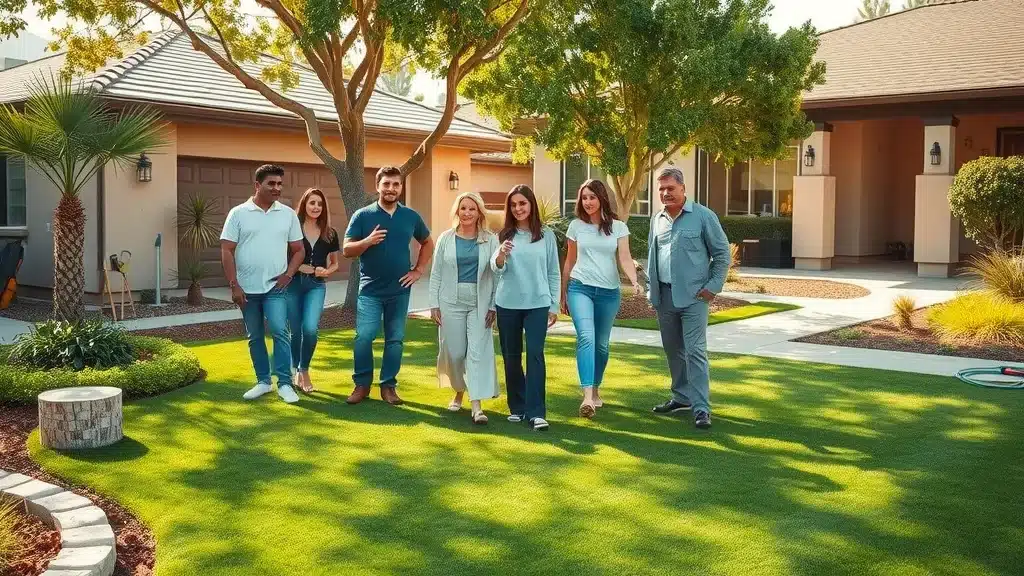
When it comes to lawns and outdoor space in San Diego, homeowners have always faced a balancing act. The region’s mild climate is both an asset and a challenge: while it enables nearly year-round outdoor living, it also means relentless sunshine, drought conditions, and tight water restrictions that can quickly dry out a natural lawn. Maintaining a lush, **green lawn** in San Diego is harder than it looks, and success often comes at the expense of higher water bills and frequent upkeep.
On the other hand, today’s artificial grass and synthetic turf promise a low maintenance solution that stays green without gallons of water or frequent mowing. This appeals to those seeking a pristine look without weekend chores, or anyone frustrated by patchy, brown grass. However, San Diego’s specific challenges—like extreme sun exposure, drainage needs in clay soil, and HOA aesthetic rules—mean that even artificial turf requires thoughtful decision-making. Not all turf is created equal, and installations that skip crucial prep work may lead to heat buildup, odor issues, or even water runoff problems down the line. As artificial lawns become more common in San Diego neighborhoods, the bar is raised for realistic look, feel, and longevity.
For homeowners who want a deeper dive into the practicalities of installation, maintenance, and product selection, exploring a comprehensive resource like the Ultimate Guide to Artificial Turf in San Diego can provide step-by-step advice tailored to local conditions and help you avoid common pitfalls.
What You’ll Learn About Artificial Turf in San Diego
- Understand the main reasons homeowners in San Diego consider artificial turf
- Compare artificial grass to natural grass and synthetic turf using local insights
- Explore the pros and cons, including water conservation, aesthetic appeal, and maintenance
- Get answers to common questions about cost, installation, and long-term value
- Gain actionable advice on deciding if artificial turf is worth it in San Diego
Understanding the San Diego Landscape: Is Artificial Turf Worth It Here?
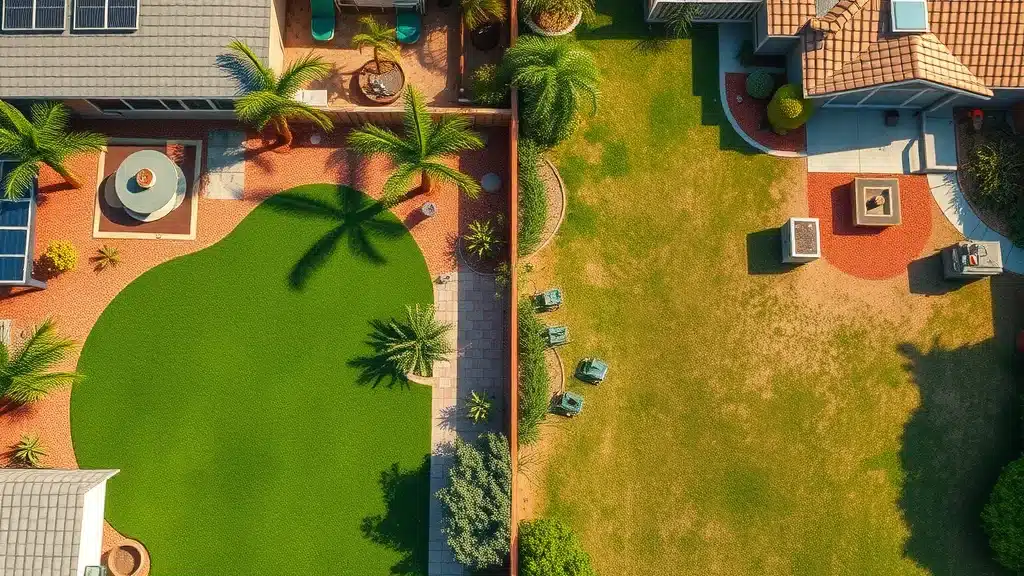
San Diego’s climate is seductive—mild winters, warm dry summers, and outdoor living practically all year. But the same climate that encourages lush gardens also triggers severe water restrictions and drought. With thousands of new homes and changing homeowner associations, the pressure to keep curb appeal high while meeting environmental responsibilities is more intense than ever. This is where the fundamental question arises: is artificial turf actually the best fit for your San Diego lawn, or does sticking with natural grass still make sense?
The drive to save water—and avoid brown, patchy yards—has led more homeowners toward synthetic turf as a modern solution. But San Diego’s landscape isn’t just about fighting drought. Factors like soil types, coastal humidity, foot traffic, and the local push for outdoor entertaining come into play. Whether you want a play space for kids, a spot for the dog to run, or a showpiece front yard, the turf decision is more complex here than most places. Each yard has unique conditions, but local trends and sustainability mandates are shifting more lawns towards artificial turf—if the benefits (and costs) can be justified.
Why San Diego’s Water Restrictions Change the Rules
Unlike regions with plentiful rainfall, San Diego residents regularly face tight water restrictions—sometimes limiting when, how often, or even how much you can water your yard. Meanwhile, the average natural lawn may need thousands of gallons of water a year to stay green, quickly driving up water bills. That harsh economic and ecological reality puts pressure on even the most lawn-loving homeowners to consider alternatives like artificial turf or synthetic grass. Commitment to water conservation goes beyond saving money; it’s about adapting to new regional norms and respecting future sustainability. Artificial turf offers a sustainable option by maintaining curb appeal without wasting precious water.
But the shift isn’t just about individual choices—neighborhood expectations and HOA mandates are transforming entire blocks. In areas where brown patches or “xeriscaping” were once signs of defeat, neatly installed artificial grass now signals innovation and environmental responsibility. Residents can finally have a green lawn year-round, without worrying about drought conditions or local penalties for excess irrigation. Yet, this shift also prompts careful consideration: will synthetic turf look, feel, and perform as expected when the next drought hits, or will compromises become painfully obvious?
Outdoor Space Trends in the San Diego Market
The San Diego outdoor space is experiencing a dramatic shift. Once dominated by manicured natural grass lawns, the region now trends toward landscapes mixing drought-tolerant natives, decorative stone, and high-end artificial turf. For families eager to maximize outdoor living, synthetic turf offers a welcoming, playable surface year-round—without mud, mowing, or chemicals.
But the best outdoor designs in San Diego go beyond “for show” turf installations. Savvy homeowners are building shaded lounges, outdoor kitchens, and play areas where artificial grass works seamlessly with patios, mulch, and native planting. The move toward sustainable, mixed-media landscapes is leading some to blend a small, plush patch of artificial grass with ornamental plants and permeable hardscaping. This not only increases curb appeal but also future-proofs blueprints against rising water costs and stricter environmental codes.
Artificial Turf vs Natural Grass: Which Is Right for San Diego Homes?
| Feature | Artificial Turf | Natural Grass |
|---|---|---|
| Maintenance | Minimal—no mowing, fertilizing, or heavy watering required | Regular mowing, fertilizing, irrigation, and pest management needed |
| Water Conservation | Saves thousands of gallons yearly; ideal under water restrictions | High water use, especially in dry months |
| Longevity | 8–15 years (with quality product and installation) | Indefinite, but susceptible to drought, disease, seasonal changes |
| Cost (over 10 years) | Higher up-front installation cost, low ongoing maintenance costs | Lower initial cost, higher cumulative expenses for maintenance and water |
Artificial Grass: Longevity and Aesthetic Appeal
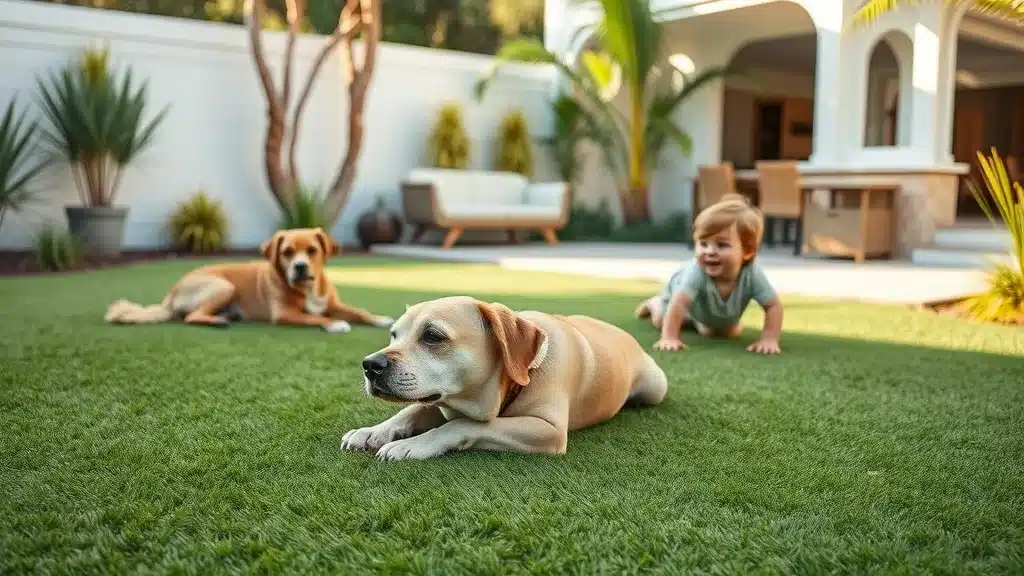
Mainstream artificial grass today offers a strikingly realistic look and springy, soft feel—far beyond the “green carpet” of decades past. When installed professionally, artificial turf can deliver a consistently lush, green lawn for 8-15 years, resisting sun-scorch, drought, and heavy traffic from pets or kids. There’s no mud, thatch, or brown spots to patch, either. Many newer turfs are UV-stabilized and built to withstand constant exposure without fading or melting; for homeowners chasing year-round curb appeal, this is a strong plus over the unpredictable “ups and downs” of natural grass.
However, true aesthetic appeal and longevity depend on both product quality and installation expertise. Subpar materials, shortcuts with drainage prep, or the wrong pile height can make artificial grass appear faded or uneven after a few seasons—especially in sunbaked neighborhoods of San Diego. Even with a premium turf, residues or odors may develop if a yard is used daily by pets. Yet, for those who invest wisely, the ongoing rewards of minimal maintenance and a flawless-looking yard are real—especially compared to patching, watering, and reseeding high-traffic natural lawns every spring.
Synthetic Turf: Low Maintenance Advantages
One of the biggest reasons San Diego families turn to synthetic turf is the promise of truly low maintenance landscaping. This means no weekend lawn chores, no fertilizer, mower repairs, or seasonal reseeding. Synthetic grass stays “just mowed” all year, rain or shine. That’s a serious lifestyle upgrade for pet owners, families with busy sports schedules, or anyone tired of fighting weeds and brown spots. Synthetic turf also bypasses the endless cycle of watering and fertilizing that natural grass requires, helping homeowners save thousands of gallons of water throughout the year.
While synthetic turf needs occasional brushing, rinsing, and debris clearing—especially if pets use the space—these tasks are minimal compared to regular lawn care. For residents managing rental properties, vacation homes, or large yards, artificial turf’s ability to stay green with virtually no intervention relieves ongoing maintenance costs and headaches. However, it’s crucial to remember that quality installation is key: poorly installed turf may harbor weeds, puddles, or even uplift in heavy winds, turning a “set it and forget it” lawn into a costly future project.
Natural Grass: The Traditional Lawn Experience
For many in San Diego, replacing real grass just isn’t the same as a classic traditional lawn. The scent of fresh-cut grass, the coolness on bare feet, and the micro-ecosystem that nurtures birds, insects, and soil are hard to replicate with synthetic turf. Natural grass lawns also offer certain ecological advantages—like carbon sequestration, heat absorption, and subtle cooling in the hot summer months.
Yet, the romance of a natural lawn comes with significant trade-offs. Grass requires regular mowing, irrigation, fertilizing, pest management, and attention to shifting seasonal conditions and drought. When outdoor use is high or water conservation is mandated, these lawns may bear brown patches and bare spots, especially during the hottest, driest periods. For eco-conscious homeowners or those facing strict HOA demands, the challenges of maintaining a lush, green outdoor space may outweigh the benefits of authenticity. Still, for those committed to the “real” lawn experience—and ready to invest the effort—natural grass remains a point of personal pride.
San Diego’s Water Conservation and Artificial Turf Benefits
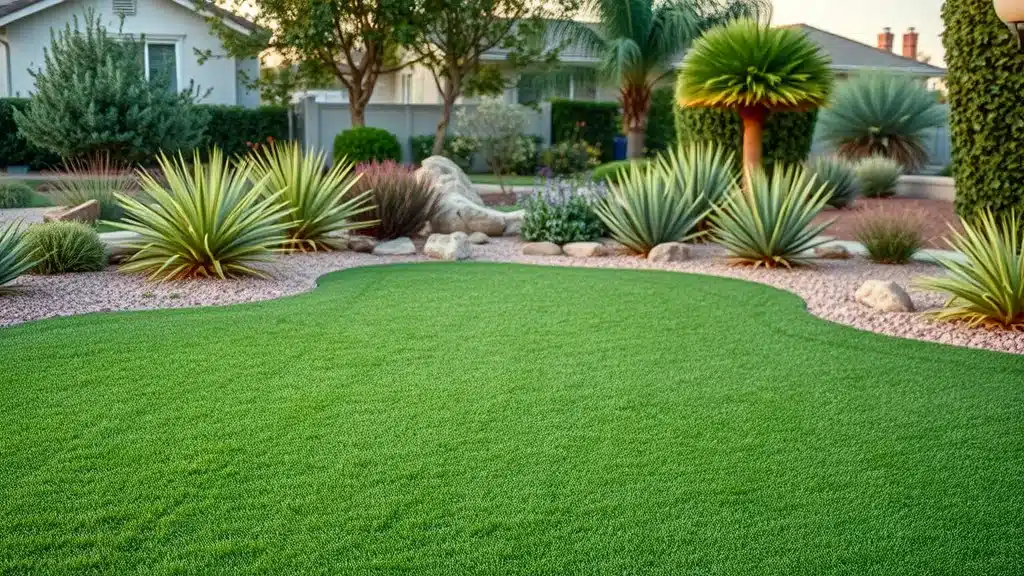
- No irrigation needed: Artificial turf saves thousands of gallons annually, ideal where water bills climb and outdoor watering is restricted.
- Stays green year-round: Unlike natural lawns that brown in heat or drought, synthetic grass maintains its color and texture even in tough seasons.
- Minimal maintenance: No mowing, fertilizing, or pesticide use, significantly reducing long-term labor and environmental impact.
- Great for pets and play: Many modern turf products resist odor, flattening, and stains from regular family and pet use.
- Soil protection: Artificial turf can help prevent erosion, especially on slopes or high-traffic surfaces where natural grass struggles to survive.
How Water Conservation Influences Landscaping Decisions
Water scarcity is now a defining feature of property ownership in San Diego. With every drought cycle, new watering limits and escalating costs make the case for artificial lawns stronger. Homeowners watching their water bills spike or dealing with watering day tickets are quick to notice that artificial turf provides immediate relief. By eliminating irrigation needs, turf installations can save thousands of gallons of water per household per year. In a city where “going brown” is more than just a visual issue, turf offers a way to meet local ordinances, avoid fines, and keep outdoor spaces usable regardless of climate fluctuations.
The environmental argument isn’t just about quantity: modern synthetic grasses avoid fertilizers and pesticides that frequently run off natural lawns into storm drains. For homeowners concerned about both cost and sustainability, turf presents a sharply lower resource footprint when compared to a frequently watered green lawn. However, concerns about turf’s recyclability and the environmental impact of manufacturing and disposal remain—and must be considered alongside water conservation wins.
Artificial Turf and Eco-Friendly Outdoor Spaces
The best San Diego landscapes now combine artificial grass with drought-resistant plantings, permeable hardscaping, and smart irrigation controls for a truly eco-friendly outdoor space. This approach ticks boxes with HOAs and neighbors while helping restore local biodiversity and still providing a usable lawn for kids and pets. By choosing high-quality infill and non-toxic materials, you further support health and safety standards for your family and environment.
For many, embracing artificial grass means fewer chemicals, less noise from gas mowers, and more time spent genuinely enjoying the outdoors. Still, those considering environmental impact should pay attention: poor-quality turf contributes to landfill waste, and not all manufacturers offer the same level of recyclability or non-toxicity. When it comes to eco-friendly landscaping, product selection and installation expertise matter just as much as material choice.
The Downsides: Is Artificial Turf Worth It in San Diego for Everyone?
- Heat Buildup: Artificial turf surfaces can get extremely hot in the summer sun, sometimes making them uncomfortable for bare feet or pets.
- Installation Costs: The up-front price for quality turf and professional labor can be steep, with the investment taking years to recover through savings.
- Water Runoff: Poorly planned installations may create drainage issues or contribute to runoff—especially on clay-heavy San Diego soils.
- Homeowner Association Rules: Some HOAs restrict artificial turf’s color, pile height, or front-yard use.
Common Complaints About Artificial Grass
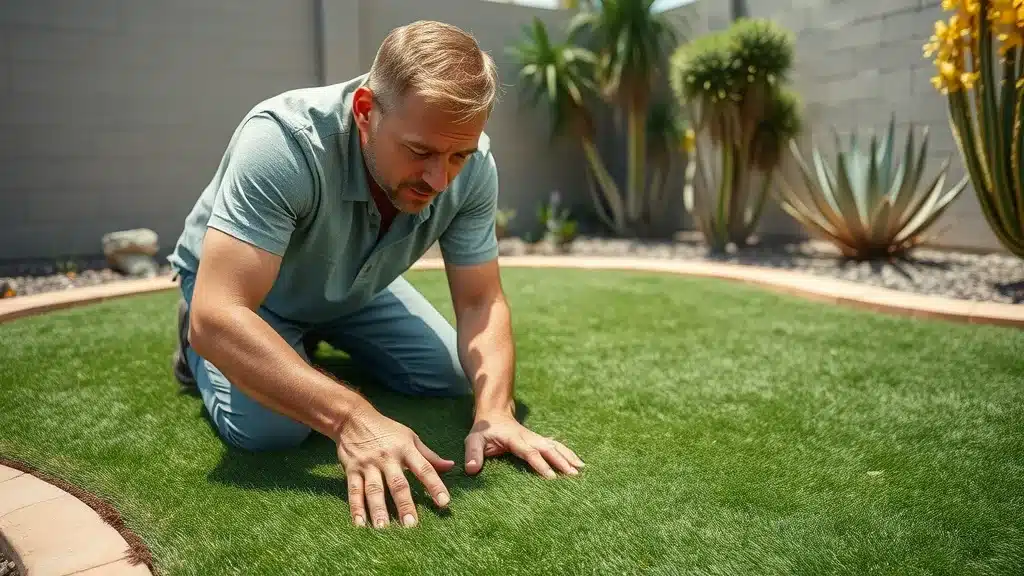
While the promise of low maintenance and green lawns is persuasive, artificial turf isn’t a silver bullet for everyone. Many residents in San Diego raise concerns after installing artificial grass: the most common is heat. Synthetic turf, especially without proper underlayment or shading, can become uncomfortably hot in summer, deterring children and pets from enjoying the outdoor space. Odor buildup—particularly on turfed dog runs—also surprises some, as do issues with “flattening” in high-traffic areas. Other frequent issues? Turf color fading over years, seam visibility, and damage from debris or furniture left in place too long on the surface.
Financially, the high installation cost can take years to recoup, and there’s debate whether resale value matches the initial outlay. For properties subject to HOA rules or aiming for “traditional” curb appeal, artificial grass may not fit neighborhood expectations, especially in the highly visible front yard. And while minimal, maintenance isn’t zero: occasional rinsing, brushing, and pet waste cleanup are required to keep the synthetic lawn looking fresh and inviting.
Synthetic Turf and Impact on Outdoor Space Ecology
Switching to synthetic turf means losing some of the natural benefits of a living lawn—like habitat for pollinators, soil health, and summer cooling. Unlike natural grass, artificial turf does not absorb rainfall the same way, potentially contributing to runoff and affecting native plant growth nearby. While using synthetic grass solves the water and chemical problem, some eco-minded residents struggle with the loss of a living, breathing ecosystem underfoot. Concerns about plastic waste or microplastics are real, making product selection and future disposal important factors in the decision.
For homeowners with large shaded areas or deeply sloped yards, synthetic turf may offer fewer long-term ecological drawbacks. But if you value a backyard alive with birds and insects, or wish to maintain soil quality for future gardening, these tradeoffs matter. A balanced approach—blending turf only where truly needed—often delivers the best combination of sustainability and usability in San Diego’s unique climate.
What Mistakes Do Homeowners Make With Artificial Turf in San Diego?
- Choosing the wrong contractor: Not all turf installers are up to local standards—always vet experience, product quality, and local reviews.
- Ignoring drainage needs: Skipping or skimping on base prep can lead to water pooling, odor issues, or even turf buckling after storms.
- Not considering long-term wear in high-sun areas: Cheap turf may fade or melt; select UV-stabilized, region-appropriate options for San Diego’s unique sun exposure.
Expert Opinions: Is Artificial Turf Worth It San Diego?
“In San Diego, artificial turf isn’t a one-size-fits-all. Factors like water conservation, backyard use, and neighborhood norms should all factor into your decision.”
Local landscape experts agree: like any big investment, the value of artificial turf depends on your goals. If you’re seeking year-round curb appeal, aiming to save thousands of gallons of water annually, or you want a safe, low-maintenance place for kids and pets to play, artificial turf stands out—especially in drought-prone San Diego. However, sustainability-minded homeowners or those passionate about classic yard ecology may find a hybrid approach—combining turf in key places with gardens, mulch, or native grass beds—offers the best of both worlds.
Overall, the key is to factor in local water costs, neighborhood expectations, and real maintenance realities—not just marketing promises. Even the most premium synthetic turf must be professionally installed and maintained to provide years of reliable, beautiful outdoor living with minimal regret.
People Also Ask: Is Artificial Turf Worth It San Diego?
How much does artificial turf cost in San Diego?
- Cost influencers: project size, labor, turf quality, and site prep
The cost to install artificial turf in San Diego varies based on several key factors. Project size has a major impact, as larger yards may yield lower per-square-foot rates. Labor is a significant portion of the investment, especially on hillsides or hard-to-access areas. The type and quality of turf—ranging from basic synthetic grass to high-end, multi-tone products—also changes the price. Finally, the level of site preparation required for proper drainage, pet use, or complex landscaping can raise or lower your final cost. Budget-conscious homeowners should get at least two quotes and always ask about warranty, included prep work, and realistic lifespan to ensure they’re getting quality for their money.
What is the downside of artificial turf?
- Consider heat retention, lack of natural feel, long-term investment, and local HOA rules
The main drawbacks to artificial turf include heat retention, which can make the surface uncomfortable in direct sunlight, and a non-natural tactile experience compared to traditional grass. The long-term investment can be challenging if you plan to move soon, since cost recovery depends on how long you stay in the home. Some HOAs in San Diego may restrict or prohibit certain types of turf for aesthetic or environmental reasons, so always check local guidelines before committing. Finally, environmental concerns about recyclability and disposal must be considered as part of “whole property” value and impact.
Why are people getting rid of artificial grass?
- Environmental considerations, shifting preferences, and experience with maintenance
Some homeowners in San Diego are reevaluating artificial grass following experiences with increased surface heat, fading, or odor issues from pets. Environmental concerns—such as microplastic debris and end-of-life disposal—also drive some to remove turf and return to natural landscaping or drought-tolerant gardens. Shifting design trends, evolving HOA policies, and a desire for more biodiverse backyards are all contributing to this shift. Ultimately, experiences with maintenance, environmental outlook, and landscape use all shape whether homeowners stick with or rip out synthetic turf.
How much is 200 sq ft of turf?
- Impact of square footage on total cost and possible maintenance over ten years
For a small project (like 200 square feet), homeowners can expect installation costs to scale based on total area, labor, quality of turf selected, and whether extensive site prep is needed. While smaller projects have less cost in total, the per-square-foot price may be higher for limited jobs compared to whole yards. Over ten years, maintenance costs for artificial turf remain minimal compared to maintaining a natural lawn, but budget for occasional cleaning, infill top-off, and possible spot repairs to ensure long-term durability and appearance.
Watch: Local homeowner shares honest experiences with artificial turf installation and long-term performance in San Diego.
Key Takeaways: Is Artificial Turf Worth It San Diego?
- Artificial turf’s ROI depends on your priorities: water conservation, low maintenance, and aesthetic appeal
- Natural grass may suit those valuing tradition and tactile outdoor experiences
- Carefully weigh install costs, long-term use, and neighborhood trends
FAQs: Artificial Turf for San Diego Yards
- Does artificial turf work well in full sun in San Diego?
High-quality turf is designed to resist fading and deterioration, but may get hot under intense sunlight. Opt for UV-stabilized materials and consider adding shade to high-exposure areas. - How long does synthetic turf last in southern California?
With proper installation and minimal maintenance, most synthetic lawns last 8-15 years before replacement or substantial repairs are needed. - Is artificial grass pet-friendly?
Most artificial grass is safe and comfortable for pets. Choose turf with antimicrobial infill and easy-drainage design for best results.
Watch: Landscape contractor breaks down practical differences between turf and real grass in San Diego—what to really expect.
Thinking of Artificial Turf? Get Advice From a San Diego Landscape Contractor
- Ready to make an informed decision? Connect with a trusted San Diego landscape contractor at https://brecedalandscape.com for a site evaluation and customized advice.
Conclusion
The answer to “is artificial turf worth it San Diego” is personal—and local. Focus on long-term priorities, choose quality products, and seek expert help to avoid expensive mistakes. Thoughtful planning pays back for years!
If you’re weighing the pros and cons of artificial turf, remember that every San Diego yard is unique—and so is every homeowner’s vision for their outdoor space. For those ready to take the next step, partnering with a landscape contractor who understands the region’s climate, water regulations, and design trends can make all the difference. Discover how a tailored approach to landscape design can elevate your curb appeal, maximize sustainability, and create a space that truly fits your lifestyle by exploring the expertise and inspiration available at Breceda Landscape Design & Build. Your ideal outdoor oasis is closer than you think—start your transformation with guidance from local professionals who know what works best in San Diego.
Sources
- Breceda Landscape – https://brecedalandscape.com/blog/ultimate-guide-to-artificial-turf-san-diego/
- City of San Diego Water Conservation – https://www.sandiego.gov/water/conservation
- EPA WaterSense: Outdoor – https://www.epa.gov/watersense/outdoor
- Houzz: Should You Consider Fake Grass? – https://www.houzz.com/magazine/should-you-consider-fake-grass-stsetivw-vs~25726121
- Waterwise Gardener – https://waterwisegardener.com/artificial-turf-vs-grass-san-diego/
For San Diego homeowners considering artificial turf, two insightful resources can aid your decision-making. The article “Artificial Turf Installation in San Diego: Is It Worth It?” discusses the benefits of artificial turf, including water conservation, low maintenance, and year-round greenery, while also addressing cost considerations and suitability for different yard conditions. Additionally, “Artificial Turf in San Diego: The Truth About Low-Maintenance, Water-Saving Lawns” explores the advantages of synthetic grass, such as reduced water usage, minimal upkeep, and environmental sustainability, while debunking common myths about artificial turf. If you’re serious about enhancing your outdoor space with artificial turf, these resources will provide valuable insights to inform your decision.